Preface
Does the world really need another introductory textbook on feedback control? For many years we have felt that the many high-quality textbooks that currently exist are more than sufficient. However, several years ago I, the first author (RWB), had an experience that changed my mind and the minds of my colleagues. I had just finished teaching the introductory feedback control course at BYU. I had a need for a new master’s student in my research group and hired one of the top students in the class. We had designed a gimbal system for a small unmanned air vehicle, and we needed a control system implemented on a microcontroller for the gimbal. I tasked this new master’s student to model the gimbal and design the control system. I was surprised by how much the student struggled with this task, especially understanding where to begin and how to model the gimbal. If I had given him a transfer function and asked him to design a PID controller, or if I had given him a state-space model and asked him to design an observer and controller for the system, he would not have had any difficulty. But he did not know how to do an end-to-end design that required developing models for the system, including physical constraints. It was this experience that convinced me that my current approach to teaching feedback control was inadequate.
The next time that I taught the course, rather than focusing on the theory of feedback design, I focused the lectures on the end-to-end design process. Accordingly, I spent significantly more time talking about the modeling process, adding several lectures on the Euler-Lagrange method. I also added several lectures on linearization about set points, and on developing linear models. When I taught feedback design methods, I focused on design specifications and the need to account for saturation, sensor noise, model uncertainty, and external disturbances on the system. Over the next several years, we developed several complete design studies and then used these design studies throughout the course to illustrate the material. That course reorganization and the realization that existing textbooks on feedback control did not fit the pedagogy were the genesis of this textbook.
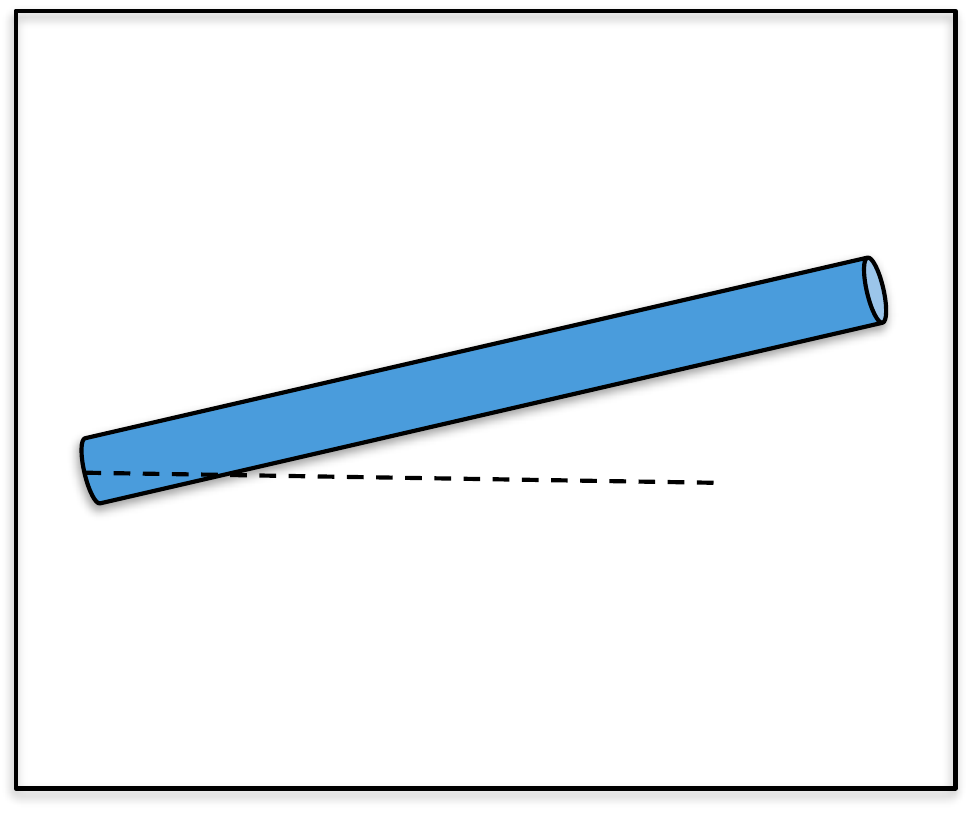
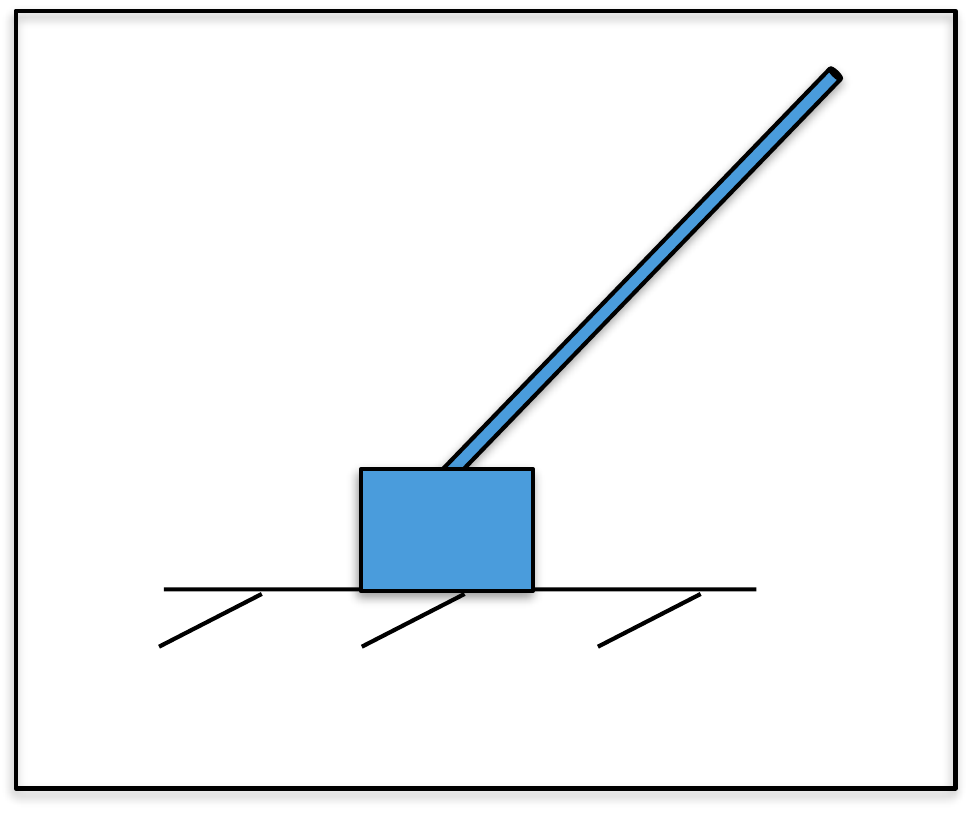
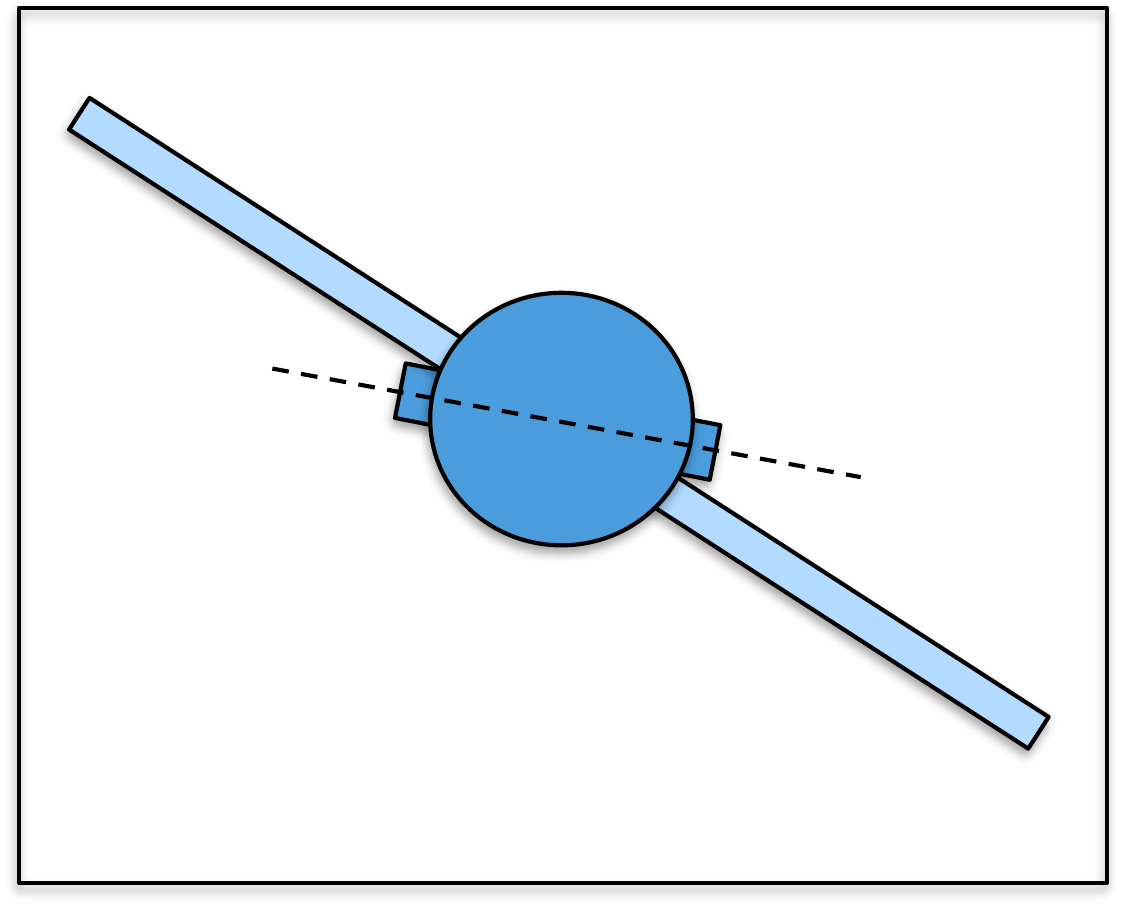
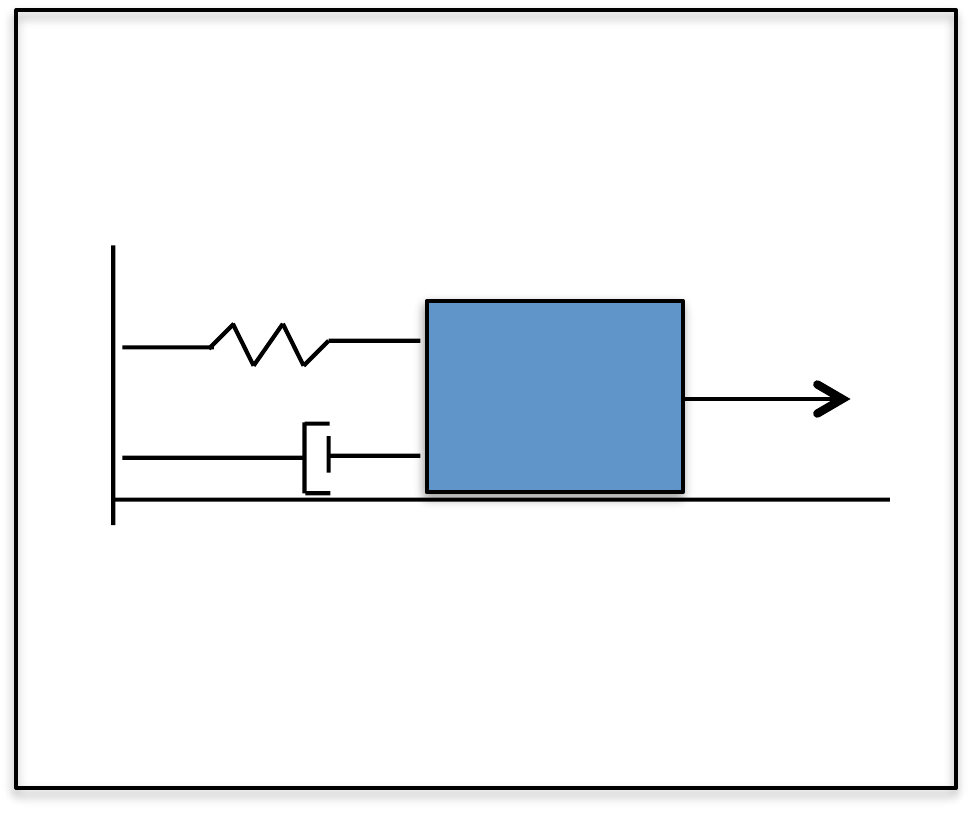
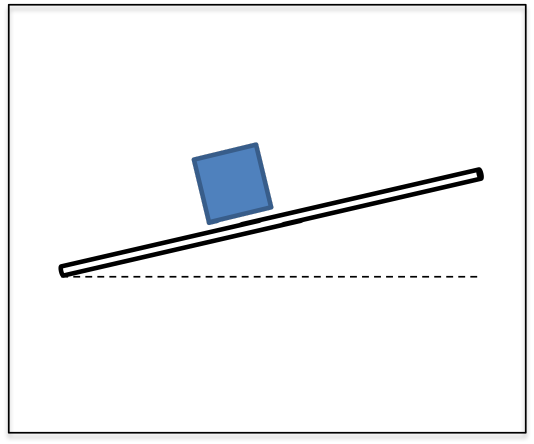
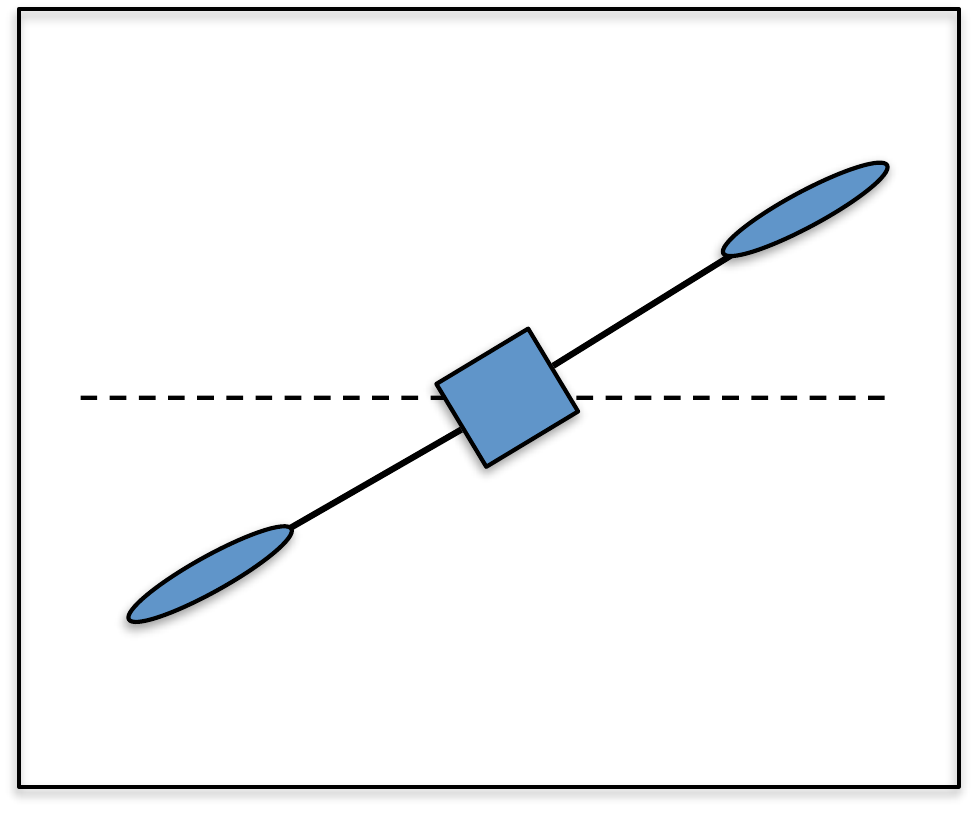
Therefore, this textbook is unique in several ways. Most importantly, it is focused, in its organization, in its examples, and in its homework problems, on a particular, but fairly general, end-to-end design strategy and methodology. Topics were included in the book only if they aided in the design process. For example, the book does not include a chapter on the root locus (although it is discussed in an appendix). The second unique feature is that the examples and homework problems follow a small set of design studies throughout the book. The text provides complete worked examples for three design studies: a single-link robot arm, a pendulum on a cart, and a satellite attitude control problem. The homework problems parallel the examples with three additional design studies: a mass-spring-damper, a block sliding on a beam, and a planar vertical take-off and landing aircraft, similar to a quadrotor. A third unique feature of the book is that complete solutions to the three example design studies are provided in MATLAB/Simulink and Python at http://controlbook.byu.edu.
The design methodology culminates in computer code that implements the controllers. In the examples provided in the book, the computer code interacts with a simulation model of the plant composed of coupled nonlinear differential equations, rather than the physical plant. However, the example computer code is written in a way that can be directly implemented on a microcontroller, or other computing devices. We have used MATLAB/Simulink because many students are already familiar with these tools. But we also provide Python examples because Python is free of charge and therefore accessible to everyone, and because for many applications, Python can be used to implement the controller in hardware.
One criticism of the book might be that all of the design problems are mechanical systems, and that they are fairly similar to each other. The student may come away with the impression that feedback control and the design methods discussed in the book are only applicable to mechanical systems. Of course this is not true. The tools taught in the book are widely used in many applications including electrical power systems, disk drives, aerospace systems, chemical processing, biological systems, queueing systems, and many more. Although this book is focused on mechanical systems, we believe that the student who masters the material will be able to easily transition to other application domains. Mechanical systems, like those covered in this book, have a compelling pedagogical advantage because the control objectives are intuitive, and the behavior of the system can be easily visualized. Therefore, we feel that they offer the best setting for developing intuition behind feedback design.
We had two other motivations for writing this textbook. The first is the exorbitant prices currently being charged for textbooks. Accordingly, we are providing an electronic version of this book to students free of charge at http://controlbook.byu.edu. The book has required significant time and energy to develop, and so we hope that “free” does not equate to “low quality.” An Amazon version of the book is also available for those desiring a hard copy. Given the amount of high-quality open-source software, students may get the wrong impression about monetary compensation for technical work. Good work should be compensated. However, since our day jobs provide adequate financial remuneration, we ask to be compensated by your feedback about your educational experience with the book, including typos and other errors. This will allow us to update and improve the book. We also hope that you will understand that we will probably not be very responsive to email asking for help with the homework problems. Another motivation for writing the book is our observation that this generation of students seems to prefer learning through electronic resources. The book has therefore been written with the assumption that it will be studied electronically. Therefore, hyperlinks and other electronic aids are embedded throughout the text. We hope that these enhance the educational experience.